
Rwenzori Mountains National Park
Overview
Rwenzori Mountains National Park is one of Uganda’s 10 national parks and one of the country’s least-visited yet most spectacular destinations. Covering 996 square kilometers, it is famed for its incredible mountaineering experiences, ranking as the second-best climbing destination in Africa after Mount Kilimanjaro.
This park protects the slopes and snow-capped peaks of the Rwenzori Mountains, also known as the “Mountains of the Moon,” which rise to 5,109 meters above sea level. The Rwenzori is Africa’s third-highest mountain and the only block mountain with glaciers and snow on its peaks, making it a fascinating and mysterious destination for mountaineers and adventure seekers.
Size and Location
Rwenzori Mountains National Park is part of Uganda’s Western tourism circuit, located along the border with the Democratic Republic of Congo. It covers Kasese, Bundibugyo, and Kabarole districts.
- Gazetted as a national park: 1991
- Recognized as a UNESCO World Heritage Site: 1994
- Declared a Ramsar Site (Wetland of International Importance): 2008
This 996-square-kilometer park is characterized by diverse vegetation zones, including:
- Tropical rainforests
- Bamboo forests
- Montane woodlands
- Alpine meadows
- Moss-covered peaks with giant lobelia and groundsel
Rwenzori Mountain Ranges and Peaks
The Rwenzori mountain range consists of six major mountains:
- Mount Stanley – 5,109m (highest)
- Mount Speke – 4,890m
- Mount Baker – 4,843m
- Mount Emin Pasha – 4,798m
- Mount Gessi – 4,715m
- Mount Luigi Di Savoia – 4,627m
Additionally, the park contains over 20 stunning alpine lakes, serving as a vital water catchment area for the region.
What to See in Rwenzori Mountains National Park
1. Diverse Wildlife
Though primarily known for its mountaineering experiences, Rwenzori Mountains National Park is home to over 70 mammal species, including:
- Primates: Eastern chimpanzees, Rwenzori colobus monkeys, L’Hoest’s monkeys, blue monkeys, and black-and-white colobus monkeys
- Large mammals: Forest elephants, leopards, giant forest hogs, bushbucks, and duikers
- Rare species: Rwenzori otters, golden cats, mongoose, and rock hyrax
- Reptiles & Amphibians: Three-horned chameleons and various snake species
2. Bird Species
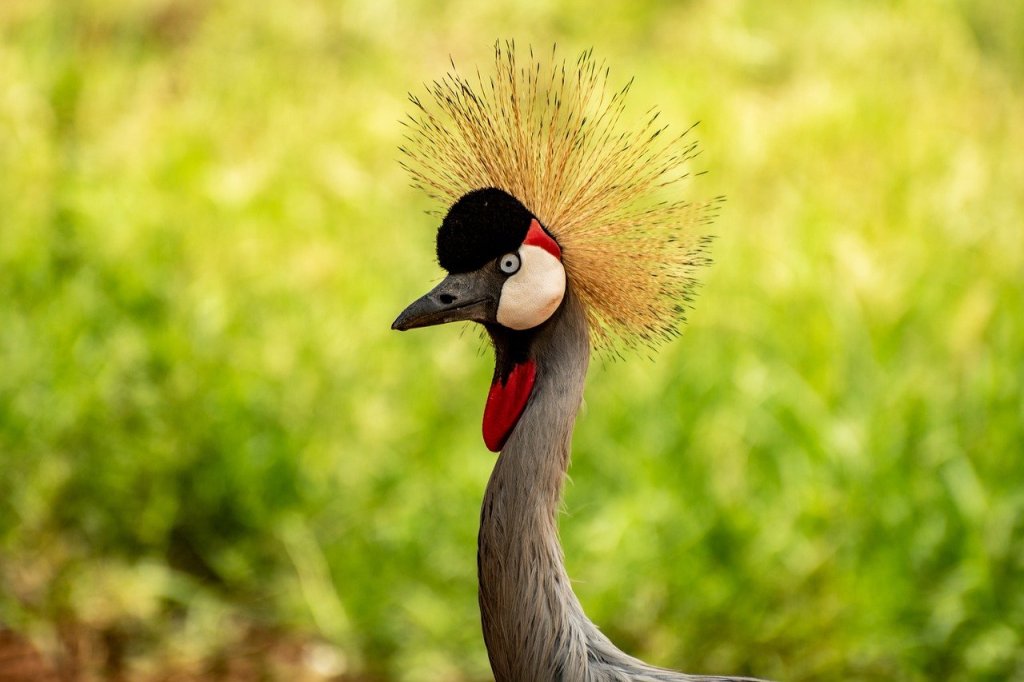
Rwenzori Mountains National Park is a top birding destination in Uganda, with over 217 bird species, including Albertine Rift endemics and Afro-tropical highland species such as:
- Rwenzori turaco
- Regal sunbird
- Archer’s robin-chat
- Handsome francolin
- Strange weavers
- Long-eared owl
- Cinnamon bracken warbler
- Scarlet-tufted malachite sunbird
- Grey-headed nigrita
- Barred long-tailed cuckoo
What to Do in Rwenzori Mountains National Park
1. Mountaineering
Rwenzori is Uganda’s top mountaineering destination, and the ultimate adventure is reaching Margherita Peak (5,109m), the highest summit on Mount Stanley.
Popular Climbing Routes
- Central Circuit Trail (9-10 Days)
- Offers a challenging but scenic trek through lush valleys, waterfalls, glaciers, and rocky cliffs.
- Kilembe Trail (7 Days)
- Provides a shorter yet equally rewarding climb, with rich views of the snow-capped peaks and diverse wildlife.
2. Guided Forest Walks & Short Hikes
For travelers who prefer less strenuous activities, the park offers guided hikes lasting a few hours to 3 days, including:
- Chimpanzee Forest Trail
- Lake Mahoma Trail
- Buraro Trail
- Turaco Trail
- Ruboni Community Trail
Some trails also provide cultural interactions with local communities.
3. Birding Tours
Birdwatching in Rwenzori is best during the wet months when birds are most active. Top birding trails provide sightings of:
- Rwenzori batis
- Golden-winged sunbird
- Strange weavers
- Montane sooty boubou
- Brown woodland warbler
4. Village Walks & Cultural Experiences
The Bakonzo people live on the slopes of the Rwenzori Mountains and offer visitors a chance to experience their unique culture through:
- Traditional dances and storytelling
- Tasting local foods
- Visiting the Bakonzo traditional museum
- Learning traditional fire-making techniques
Key cultural experiences include:
- Ruboni Village Visit
- Bulemba-Ihandiro Cultural Trail
Best Time to Visit Rwenzori Mountains National Park
Rwenzori Mountains National Park is open year-round, but the best months to visit are:
- June to September (Dry season)
- December to February (Dry season)
Advantages of Visiting in the Dry Season:
✅ Warmer temperatures
✅ Clearer skies with breathtaking mountain views
✅ Less rain, making trails less muddy and more manageable
Visiting During the Wet Season (March-May & October-November)
- Pros: Fewer tourists, lush landscapes, best time for birdwatching
- Cons: Trails are muddy and slippery, making hiking more challenging
Accommodation Options in Rwenzori Mountains National Park
There are various lodging options in and around the park, ranging from budget campsites to luxury lodges.
Budget Accommodation
- Rwenzori Backpackers
- Ruboni Community Camp
- Rwenzori Turaco View Campsite
Mid-Range Lodges
- Mihunga Safari Lodge
- Trekkers Hostel
Luxury Lodges
- Equator Snow Lodge
- Sandton Hotel Kasese
- Hotel Margherita
How to Get to Rwenzori Mountains National Park
By Air ✈️
- Fly from Entebbe International Airport or Kajjansi Airstrip to Kasese Airstrip.
- From Kasese, drive 3-4 hours to the park entrance.
By Road 🚗
You can access the park via two main routes from Kampala:
- Kampala – Mubende – Fort Portal Route (5-6 hours)
- Kampala – Masaka – Mbarara – Kasese Route (6-7 hours)
Both routes offer scenic views of Uganda’s countryside, forests, and lakes.
Conclusion
Rwenzori Mountains National Park is a hidden gem for mountaineers, nature lovers, and cultural explorers. Whether you’re trekking to Margherita Peak, hiking through rainforests, birdwatching, or engaging with local communities, this park offers an unparalleled adventure in one of Africa’s most spectacular landscapes.
Most Popular Safaris
- 4 Days Fly in Mountain Gorilla safari
- 4 Days Uganda’s Big 5 safaris
- 6 Days fly in Gorilla & Wildlife safari
- 7 Days Walking & Cultural safari
- 8 Days big 5 & Nile adventures
- 3 Days Rwanda Gorilla Adventure
- 4 Days Rwanda Gorilla Encounter
- 5 Days Gorillas & Lake. Kivu
- 10 Days adventurous Uganda & Rwanda Gorilla Trek
Popular Destinations
Mbazi Safaris
Email: mbazisafariltd@gmail.com
TikTok Us: Mbazi Safari Limited
WhatsApp Us: +256704919049
Tel: +256-704-919049/ +256-788-560233
 MBAZI SAFARIS